Bulgakov
A Gilded Manger is No Longer Christ's
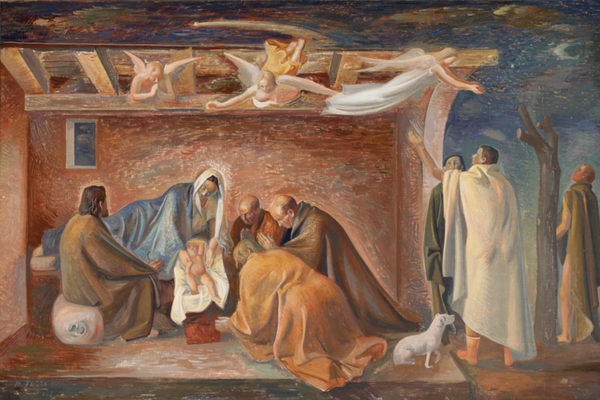
Persecution and poverty of spirit do not run counter to the spirit of Christmas. In fact, such conditions are at the heart of incarnation itself.

Bulgakov
Persecution and poverty of spirit do not run counter to the spirit of Christmas. In fact, such conditions are at the heart of incarnation itself.
Eugenia Constantinou
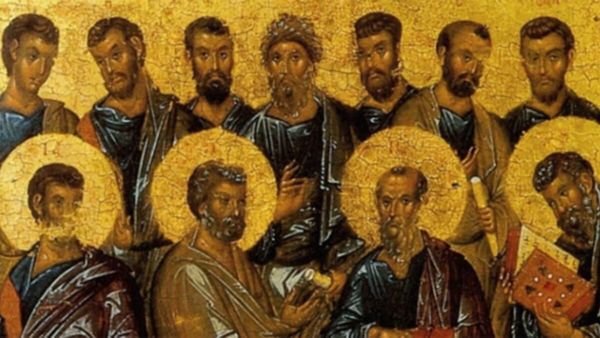
Tradition differs from an apostolic deposit, as the Nicene Trinity isn't explicitly taught in the New Testament and reflects varied early Christologies.
apocalypse
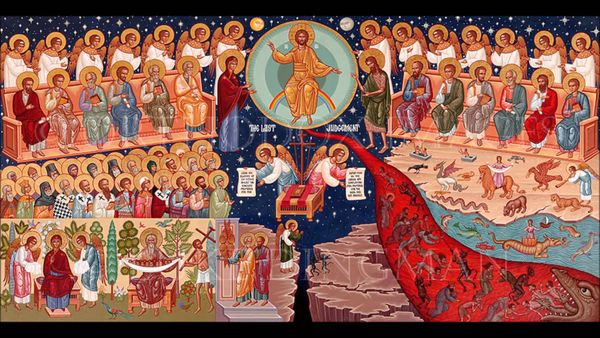
Insofar as we persist in using the word eschatology, it cannot by definition, for us here and now, ever be fully "realized."
time
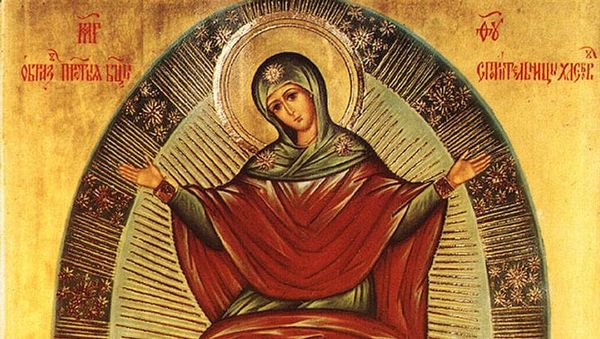
In a Christian theology of time, according to John Betz, time has more than just analogical value vis-à-vis eternity. It is, rather, eternity's "Marian bearer."
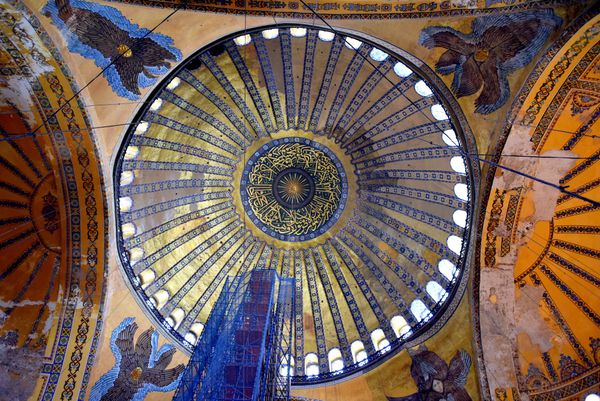
The Perennial Philosophy, Sophia Perennis, is a school of thought within the field of Comparative Religion which aims to understand the plurality of religions as stemming from a singular Source. In the West we call this Beginning Point, God. Perennial Philosophy is also described as: "[an] underlying basic shared
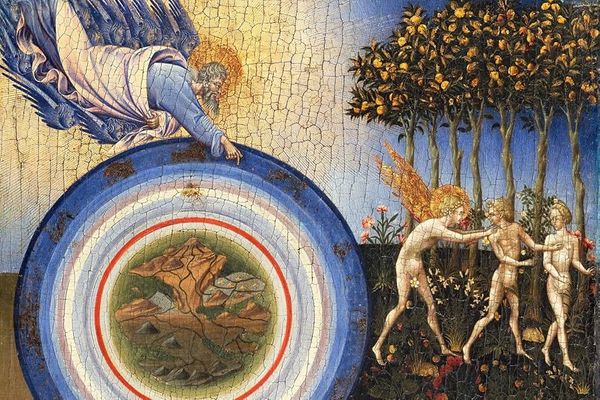
Nahmanides
Nahmanides had success salvaging certain pre-Maimonidean currents of Jewish exegesis while seeking to set them on a new comparatively more systematic basis.
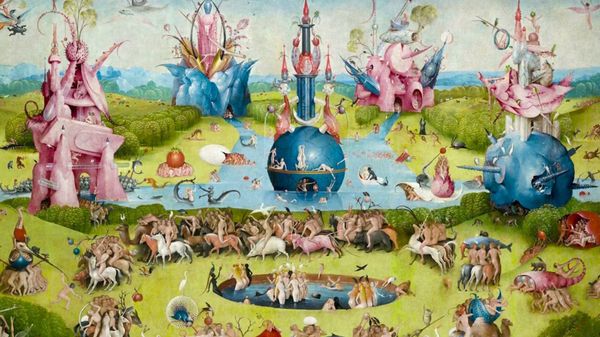
alchemy
Alchemy is an industrial spirituality. It embraces Nature as the materia of spiritual transformation and the metals as ripe for transformation.
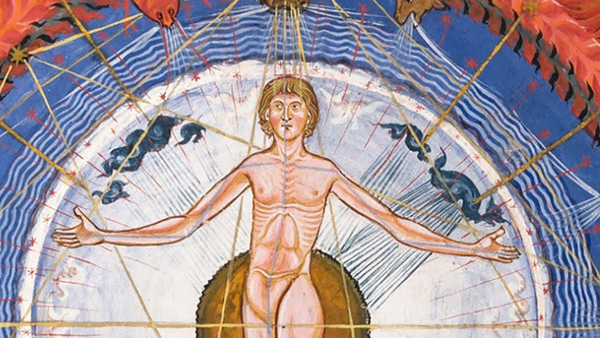
David Bentley Hart
The essential structure of all conscious mental agency is a relation to God as mind's only proper end, says David Bentley Hart.
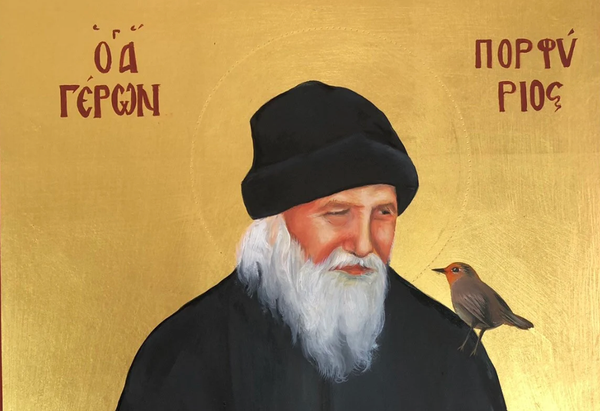
Saint Porphyrios
It is as though the flame of divine eros burning brightly within Dimas made Porphyrios's own heart and soul ignite.
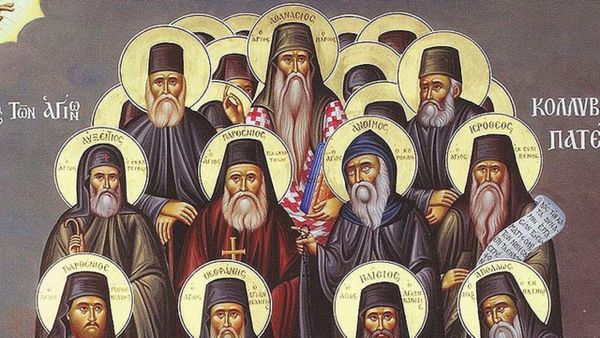
Philokalia
From a fall into neglect even among the monks of Mt. Athos, the texts of the Philokalia have enjoyed a remarkable success in the modern era.

Henry Corbin
For Corbin, the Person is the first and final reality. This is not idealism, nor realism, nor materialism, and certainly not historicism, but rather 'personalism.'
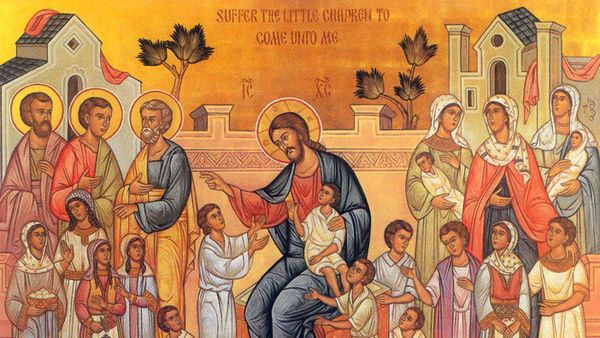
children
If the disciples are to expect some kind of biological or spiritual progeny, then whence apocalypse?